
Why do we release few units of our designs?
It’s no secret that the textile industry is the second most polluting industry in the world, and as a brand, it’s our duty to contribute in every possible way.
The current production model used by most large fashion companies is called fast fashion. This system not only reduces the quality of garments through mass production, but also creates excess inventory, waste, and unnecessary exploitation. And that’s not all. The saddest part of this reality is the physical, mental, and labor exploitation suffered by the people who work under these conditions. For many of these companies, the idea of change seems impossible. So many families depend on this system, which has become deeply rooted in industrial machinery. It’s a harsh truth that we can’t ignore.
If we look closer, the true cost of this problem falls on our planet’s health. The amount of clothing in good condition that ends up in landfills is overwhelming. According to Greenpeace, the pollution caused by clothing production reaches approximately 500,000 tons every year. How does this happen?
Each time we wash our clothes, thousands of microplastic fibers are released in a single cycle. They travel through the drains and eventually reach the ocean. Of all the microplastics that pollute the environment, 35% come from washing both synthetic and natural fabrics.
More and more people are paying attention to the textiles we wear. Clothing has always been part of our human story, reflecting identity, culture, and emotion. As society evolves, so does fashion. New technologies continue to emerge to create longer-lasting, more planet-friendly fabrics. Unfortunately, many of these advances still don’t align with the economic system we live in.
Both synthetic and natural fibers pollute, which is why it’s so important to choose garments that will last.
Polyester, one of the most widely used synthetic fibers, requires around 70 million barrels of oil each year and takes nearly 200 years to decompose. On the other hand, producing just one kilogram of natural cotton fiber requires between 10,000 and 17,000 liters of water. The decomposition time varies depending on its treatment and composition.
So whether a garment is made from synthetic or natural fibers, it leaves an environmental impact throughout its entire life cycle. When we multiply that by the millions of tons of clothing produced each day around the world, the scale becomes staggering. It’s estimated that clothing production uses about 93 billion cubic meters of water every year, enough to satisfy the thirst of five million people. Next time you hear a brand claiming to be sustainable, take a moment to investigate. Make sure there’s true coherence between what they say and what they do.
A truly responsible production model is one based on demand planning. Small local brands are slowly increasing their ability to create a fair and balanced supply, respecting both the detail and process of each garment as well as the time and quality of life of the people who make them. Because producing custom-made pieces is complex and expensive, size ranges must be planned according to real sales history to avoid excess inventory. When large brands fail to do this, they resort to drastic discounts to move the products that resulted from overproduction.
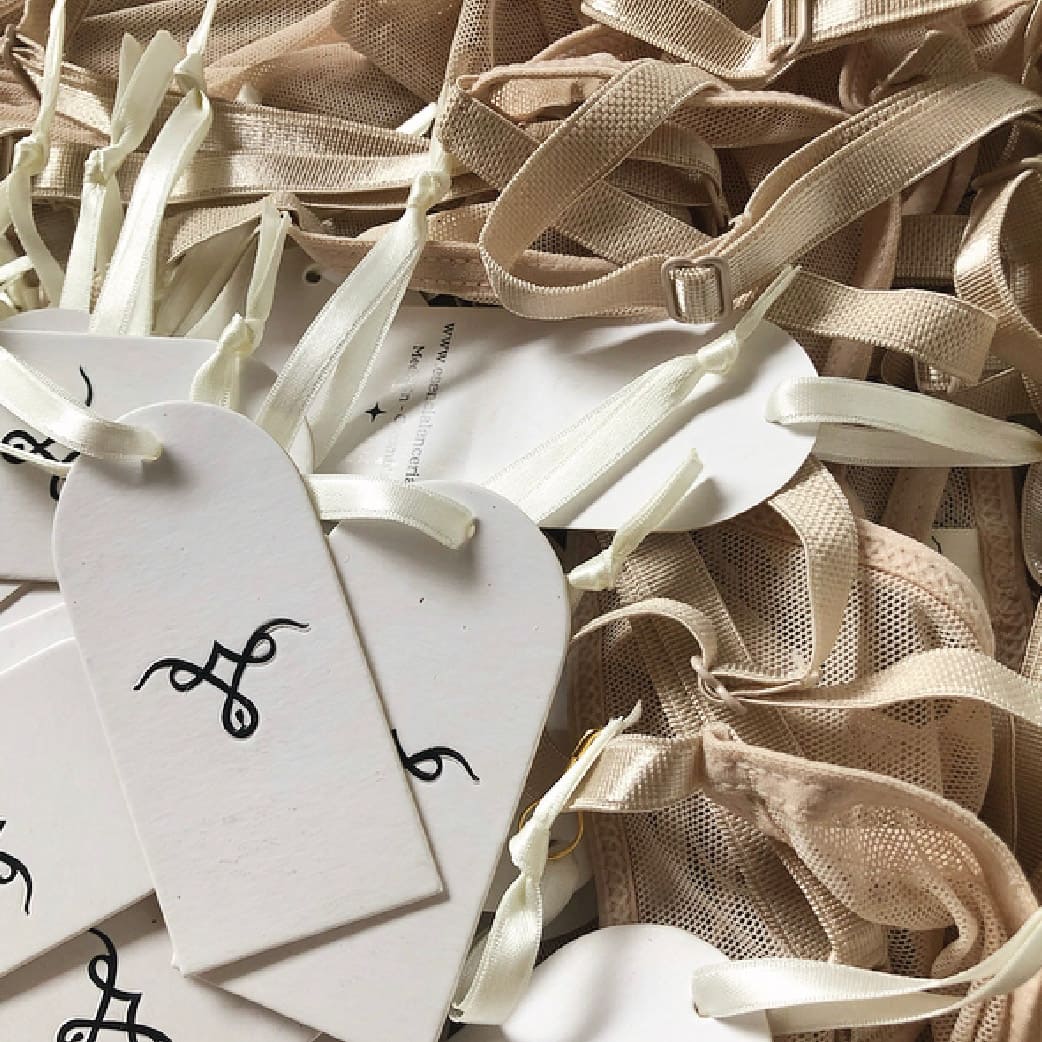
That’s why our designs are intentionally limited. Some may return after a while, but others will remain unique and unrepeated.
If we want clothes that last longer and pollute less, we must begin by buying consciously, especially with intimate apparel, which is deeply personal and not meant to be shared.
Here are a few ways we can all contribute to the planet’s well-being:
- Reflect on your buying habits: ask yourself whether it’s a need, a desire, or an impulse.
- Question the brands you support: their origins, materials, and production processes.
- Support local and national brands: smaller production is usually more ethical and transparent.
- Donate, gift, or repurpose garments that no longer resonate with you.
- Buy from secondhand or upcycled shops.
Let’s commit to what’s within our reach.
Let’s act with awareness and coherence, understanding the dynamics of our environment.
More responsible consumption, for you, for me, for our planet. ♡
Otras entradas
Our history

Why do we shave?